Vintage Corner Frame SVG Design
First Impression: Delicate, Decorative, and Deeply Intentional
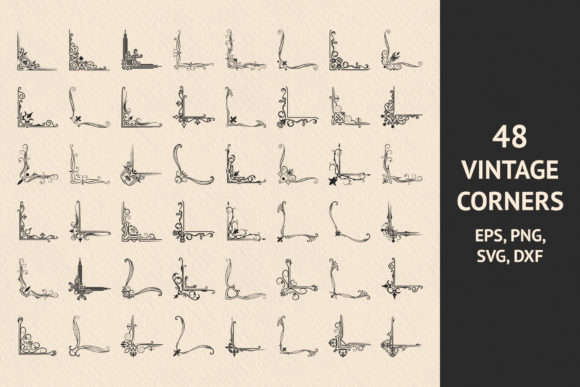
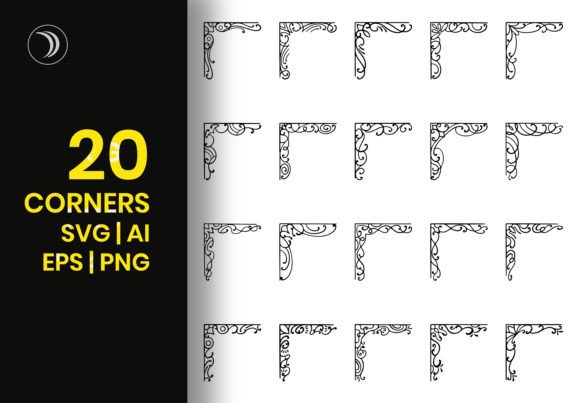
Opening the Vintage Corner Frame SVG Design feels like flipping open a well-worn Victorian sketchbook — not fussy, but quietly confident in its elegance. The swirls are fluid but controlled; the corners aren’t just ornamental filler — they’re balanced, symmetrical, and purpose-built to frame something meaningful: a monogram, a date, a tiny floral sprig, or even negative space on a clean garment. It’s not “busy” — it’s curated. That matters immensely when you’re stitching for real people who’ll hold, wear, wash, and gift your work.
A Real Project Test: Embroidering a Linen Kitchen Towel for a Wedding Gift
Last week, I used Vintage Corner Frame SVG Design to anchor a custom-embroidered linen tea towel — a bridal shower gift. I placed one corner motif at the bottom right, sized to 3.2" wide, with a delicate script monogram centered inside. On screen, it looked refined. But the real test came during stitching: how did those fine scrolls translate in thread? Did the density overwhelm the fabric? Would the curves read clearly at that scale? The answer was mostly yes — but only because I’d adjusted intentionally. More on that in a moment.
Where This Design Truly Shines (and Where It Needs Care)
Vintage Corner Frame SVG Design excels in projects where subtlety supports storytelling — not overshadows it. Think:
- Personalized baby blankets — placed discreetly near a corner, it adds heirloom weight without competing with soft stitches or gentle applique;
- Boutique aprons or chef towels — paired with a small business logo or initials, it elevates handmade presentation without looking corporate;
- Wedding guest book covers or ring bearer pillow corners — its antique sensibility reads as intentional, not generic;
- Etsy-listed embroidered patches — isolated and cleaned up, it works beautifully as a standalone embellishment for jackets or denim bags.
But it’s not universally forgiving. On stretchy fabric like lightweight knits or curved surfaces like caps, those tight swirl require extra stabilizer — and often slight simplification of inner loops to prevent puckering. On dark fabric, avoid light thread unless you’re using high-contrast rayon or metallic — satin stitch detail can disappear if thread lacks sheen or density. And on thin cotton (think handkerchiefs or baby onesies), reduce stitch density manually or risk stiffness and shadowing on the reverse side.
Design Integrity Meets Real-World Use
What sets Vintage Corner Frame SVG Design apart from similar graphics isn’t just its visual charm — it’s how thoughtfully it translates into physical embroidery. Unlike some Illustrations sold as “vintage-inspired,” this one avoids overwrought filigree. The line weights vary just enough to suggest depth, but never so much that running stitch outlines get lost in fill areas. That means fewer dropped stitches, cleaner satin edges, and less need for post-stitch trimming.
For Etsy sellers and craft business owners: this design strengthens perceived value. A plain tote bag becomes a boutique-ready piece with just one corner motif and a small embroidered name. Customers notice — not because it shouts, but because it *settles* the eye. It signals care, continuity, and attention to proportion — all things that build trust in handmade product listings.
Practical Notes Every Embroidery Designer Should Check Before Stitching
This isn’t a “load-and-go” file — and that’s a good thing. Vintage Corner Frame SVG Design rewards thoughtful prep:
- Always test on scrap fabric first — especially with your intended stabilizer combo (cutaway for knits, tear-away for stable linens);
- Review stitch density — if your machine struggles with dense fills, simplify inner scrolls using your editing software before finalizing;
- Confirm hoop size compatibility — while the SVG format is scalable, embroidery files derived from it may have fixed dimensions; verify before digitizing;
- Inspect small details at actual stitch size — zoom in on loops under 2mm — will they stitch cleanly or collapse?
- Test in black-and-white mockups — does the contrast hold up on both light and dark backgrounds? If not, adjust thread color pairing early;
- Use proper stabilizer for fabric texture — textured weaves (like slub linen or terry cloth) need more support under delicate scrollwork;
- Verify licensing — as a Graphics asset marketed for commercial use, confirm whether resale of finished embroidered items is permitted (many SVG-based embroidery files allow it, but always double-check).
Final Thought: Not Just Decoration — a Design Decision
Vintage Corner Frame SVG Design doesn’t beg for attention — it earns it. Used well, it becomes part of the product’s quiet confidence: the kind that makes someone pause at a craft fair booth, run their finger over a pillow cover’s edge, or choose your Etsy listing over three others with flashier fonts and busier layouts. It’s not about filling space. It’s about honoring the corner — literally and metaphorically — as a place where intention meets execution.
If you’re choosing this for a client project, a holiday embroidery run, or your next small shop product drop, treat it like a signature element — not an afterthought. Scale it thoughtfully. Pair it deliberately. Stitch it with respect for both the vintage mood and the modern expectations of durability, clarity, and wearability. Done right, Vintage Corner Frame SVG Design won’t just finish your project — it’ll frame its best qualities.