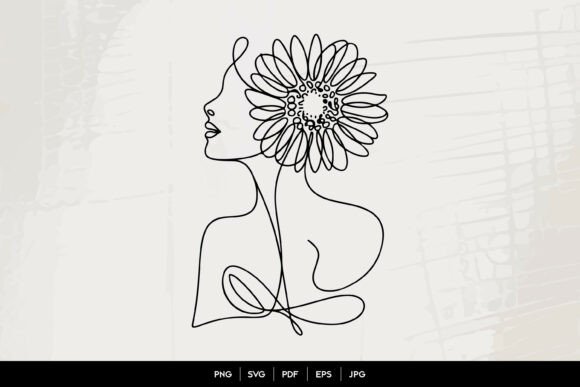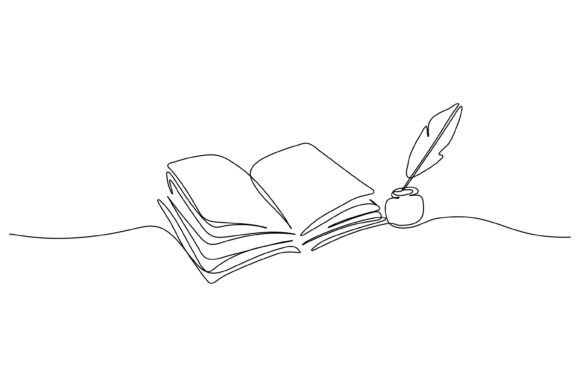
Continuous Line Design Graphics & Illustrations
First Impressions: A Quiet, Timeless Charm
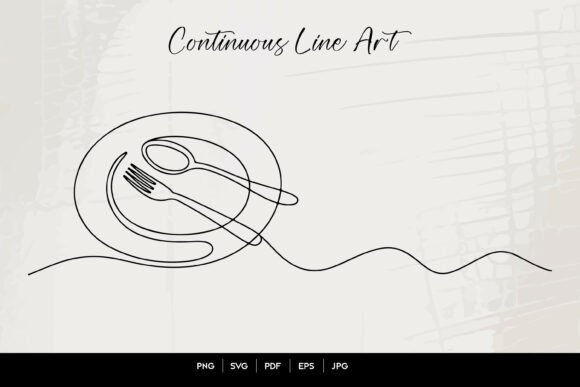
When I opened Continuous Line Design from Old Book, I didn’t just see a graphic—I felt the weight of aged paper and the steady hand of someone sketching slowly, deliberately. It’s not flashy or trendy. It’s soft, elegant, and quietly confident—like a well-loved vintage book pressed between handmade journal pages. This isn’t cute or playful; it’s thoughtful. Feminine without being fussy, minimal without feeling empty, decorative without overwhelming. My gut told me right away: this is for customers who love heirloom-style stationery, botanical-adjacent gifts, slow-living branding, and tactile handmade products—not mass-produced clutter.
Real Crafting Workflow: From Mockup to Market
Last month, I used Continuous Line Design from Old Book to launch a spring collection of ceramic mugs, linen gift tags, and printable planner stickers—all for my Etsy shop. I started with the SVG file in Cricut Design Space. The single-line structure meant clean cuts every time—even at 3.5" on delicate vinyl for mug decals. No jagged edges, no double-cutting. I resized it down to 1.25" for mini gift tags (perfect for wedding favors), and up to 8" for a sublimation tumbler wrap—and both held crisp detail. On dark mugs? I tested it first with white underbase in my print-on-demand dashboard. On light kraft paper? Paired it with a serif font like Cormorant Garamond, and it looked like something from a boutique apothecary.
Where This Graphic Design Asset Truly Shines
- Cricut & Silhouette projects: The SVG paths are smooth, unbroken, and fully editable—ideal for layered vinyl, iron-on transfers, or intricate stencil cutting.
- Sticker design & printable products: The white background and transparent PNG option make it drop-in ready for sticker sheets, digital planner kits, and printable wall art bundles.
- Tote bags & greeting cards: Its organic flow adds movement without visual noise—especially effective on natural canvas or textured cardstock.
- Seasonal craft bundles: I’ve bundled it with floral line art and handwritten quotes for Easter and Mother’s Day collections—it reads as cohesive, not generic.
- Small business branding: Used subtly as a divider in my shop banner, email headers, and packaging tape design—it whispers “handmade with care” without shouting.
Where to Proceed With Care
This isn’t a one-size-fits-all workhorse. Because it’s a single continuous line, fine interior details (like tiny loops or tight spirals) can vanish when scaled too small—so avoid using it below 0.75" for die-cut stickers or micro-printables. It also doesn’t hold up well in tightly packed compositions: I tried layering it over a busy watercolor background once, and the line got lost. And while the JPG works for quick social posts, never use it for vinyl cutting or sublimation—always go SVG or EPS for precision. Also, test how it renders on dark substrates: the thin line needs contrast, so I often add a subtle shadow or white stroke in Illustrator before exporting for dark apparel.
Practical Crafter Notes You’ll Actually Use
- Always test-cut first: Run a scrap vinyl cut at your final size—even if the SVG looks perfect on screen, blade drag or material tension can distort delicate curves.
- Check transparency in PNG: Open the JPG and PNG side-by-side. The PNG should have true alpha transparency—no fuzzy halos. If it doesn’t, re-export or request a corrected version before listing.
- Confirm resolution for sublimation: At 300 DPI and vector-based, the EPS and SVG scale cleanly—but preview your tumbler mockup at actual print size to catch subtle line thinning.
- Pair intentionally: This line art sings with serif fonts (for elegance), clean sans serifs (for modern minimalism), or gentle script fonts (for handwritten warmth). Avoid bold display fonts—they compete, not complement.
- Verify commercial license: Yes, this asset includes commercial use rights—but double-check the terms for resale in digital product bundles. I confirmed it allows unlimited physical product use and up to 500 digital downloads per license—plenty for my seasonal printable shop.
Why This Fits Handmade Business Needs Better Than Most Clipart
Most clipart feels borrowed. Continuous Line Design from Old Book feels *found*—like a piece of visual heritage you’re stewarding, not just licensing. That authenticity translates directly to customer trust. When I added it to custom thank-you cards for a local wedding client, they emailed back saying, “It feels like it was made just for us.” That’s the magic: it supports storytelling, not just decoration. It’s versatile enough for Cricut project templates, yet distinctive enough to anchor a full product line—from gift tag sets sold at craft fairs to digital sticker packs on creative marketplaces. And because it’s delivered in EPS, SVG, and JPG, I’m covered whether I’m prepping for a Silhouette Cameo 4 job, building a Canva printable layout, or sending files to my POD partner.
A Final Thought for Creative Entrepreneurs
If you’re curating design assets for long-term handmade business growth—not just one-off projects—Continuous Line Design from Old Book is worth more than its file formats suggest. It’s a quiet, reusable foundation. Not loud. Not trendy. But deeply usable across seasons, platforms, and product types. I’ve already reused it three times this year—in different colors, scales, and contexts—and each time, it felt fresh, intentional, and unmistakably *mine*. That’s the sign of a truly working illustration: it doesn’t shout. It serves. And it helps your handmade business feel like the real, resonant thing it is.